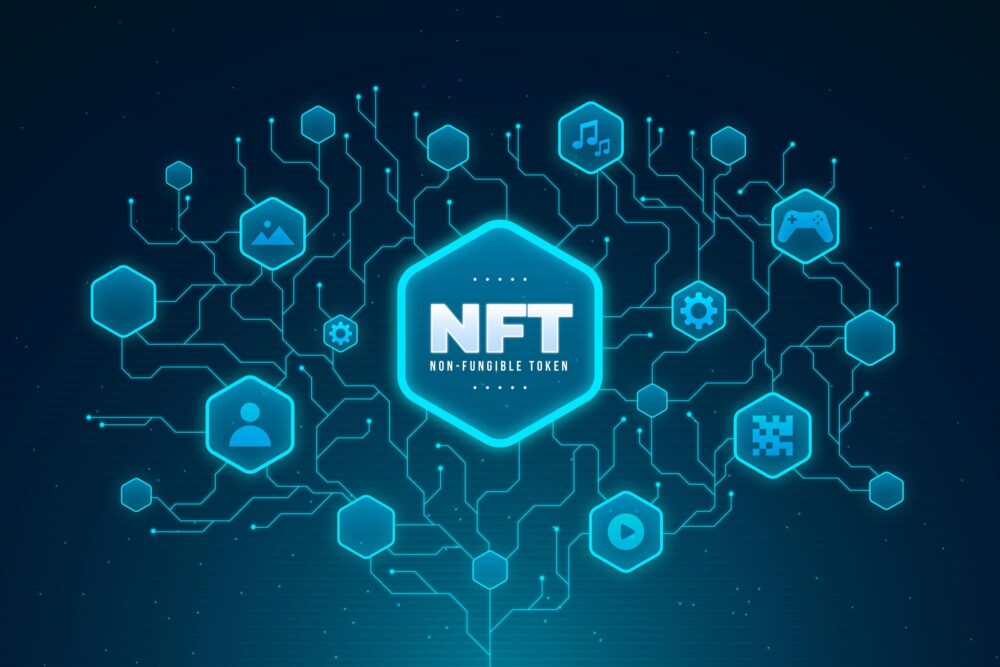
NFT marketplaces in 2026 are no longer defined only by digital collectibles. They are becoming programmable commerce layers where ownership, identity, royalties, and community incentives merge into one user experience across multiple blockchains.
Businesses investing in NFT marketplace development services are increasingly focused on long-term platform utility rather than short-term token hype. The market has shifted from simple mint-and-list models to ecosystems that support creator subscriptions, token-gated access, loyalty mechanics, and digital asset portability. Buyers now expect marketplaces to feel as smooth as mainstream ecommerce products, while sellers want analytics, automated royalties, and built-in compliance tools. This means development teams must combine blockchain engineering with product design, data infrastructure, and trust architecture from day one.
Key Trends of NFT Marketplace Development for 2026