

Why Did Bitcoin Reverse Saturday’s Losses?
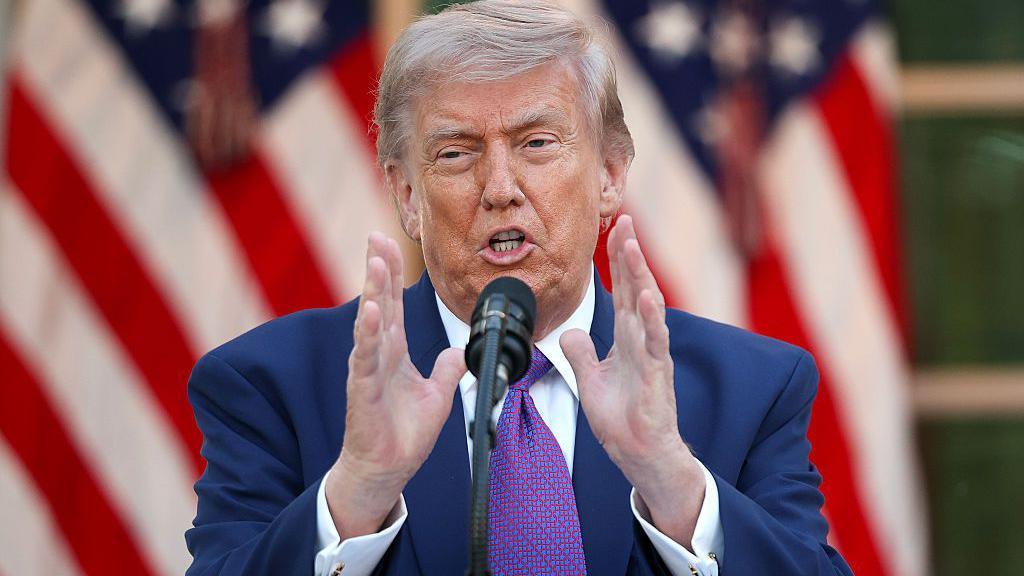
Bitcoin recovered sharply after President Donald Trump said a peace agreement with Iran and several Middle Eastern countries had been largely negotiated, easing pressure on risk assets after a steep sell-off earlier in the session. The token had fallen about 4% from late Friday into early Saturday, touching nearly $74,000 before reversing. After Trump’s announcement, bitcoin moved back toward $76,700 and briefly tested the $77,000 area, recovering the losses recorded earlier in the day. Trump said the agreement was still subject to finalization between the United States, Iran, and other countries involved in the talks. The countries named in the negotiation process included Saudi Arabia, the United Arab Emirates, Qatar, Pakistan, Turkey, Egypt, Jordan, and Bahrain. The market reaction reflected a rapid repricing of geopolitical risk. Crypto had been trading under pressure as the conflict weighed on global energy markets, raised inflation concerns, and pushed investors away from higher-risk assets. The announcement did not remove those risks entirely, but it gave traders a short-term reason to cover downside exposure.Why Does the Strait of Hormuz Matter for Crypto?
The most important market detail in Trump’s announcement was the planned reopening of the Strait of Hormuz. The waterway is a critical route for global oil shipments, and its closure had intensified pressure on energy prices during the conflict. Higher oil prices can feed into inflation expectations, complicate central bank policy, and reduce appetite for speculative assets. For crypto, that creates a difficult backdrop because bitcoin and ether remain sensitive to liquidity conditions, dollar strength, Treasury yields, and broader risk sentiment. Crude prices eased after the announcement, with WTI falling to about $96 and Brent crude dropping to around $103. Even after that move, both benchmarks remained sharply above pre-conflict levels, leaving energy markets a continued source of macro pressure. The reopening of the strait would reduce one of the clearest immediate risks for global markets. For bitcoin, the issue is less direct energy exposure and more the effect of oil shocks on inflation, rates, and investor positioning.Investor Takeaway
Bitcoin’s rebound was driven by geopolitical relief, not a clear change in its underlying trend. A durable recovery still depends on whether energy prices continue to ease and whether the peace agreement is finalized without renewed disruption.