

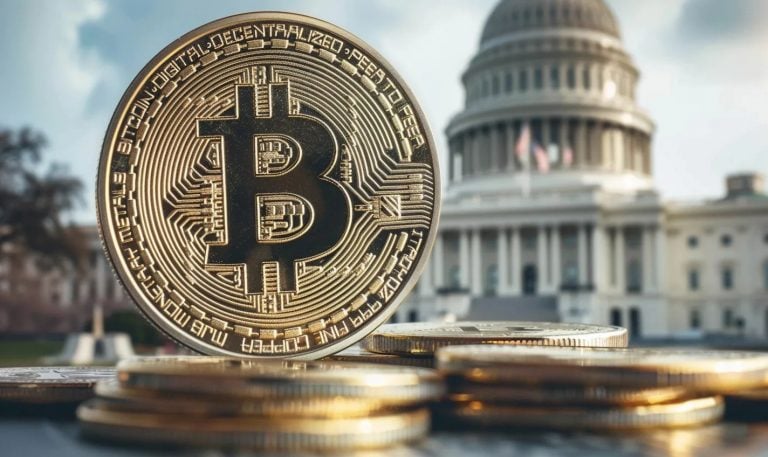
At the start of 2026, the digital asset market has shown several noticeable price swings. Values have moved up and down within short periods, and trading activity has increased during times of global uncertainty. Market expectations around economic policy, changes in investor sentiment, and rising geopolitical tensions, particularly developments in the Middle East, have contributed to these movements.
Today, analysts from FinAIBox, a professional brokerage that regularly reviews market trends, explore in more detail the latest digital asset performance and the factors behind these modifications.
How digital assets were in the past months
During the opening months of 2026, several digital assets experienced visible price swings. Bitcoin began the year trading roughly between $43,000 and $45,000, then moved closer to $50,000 near the end of February before entering a period of adjustment in March. This pattern reflects a cycle that traders observe in active markets: a phase of upward momentum followed by a pause while prices stabilize.
Ethereum followed a somewhat narrower range in comparison. For most of the first quarter, it fluctuated between $2,200 and $2,700, showing smaller but steady price shifts. Though those movements were less dramatic than some alternative assets, they still showed ongoing activity in the broader market.
Certain altcoins moved more sharply during the same period. Some projects recorded rapid upward moves over short intervals and then retraced part of those gains. These quick changes appear in assets that attract speculative interest or sudden attention from short-term traders.
Trading volume also increased at key moments, particularly around late February and early March. When prices move quickly, participation rises because traders react to changing expectations. FinAIBox analysts note that these spikes in activity suggest shifting market sentiment.
What factors are driving these movements
One important influence comes from broader economic conditions. Financial markets tend to respond to signals about inflation, interest rates, and economic growth, and digital assets are no exception. When inflation data or policy expectations shift, investor confidence across different asset classes can change as well. In such moments, traders reassess their positions and adjust their exposure, which can lead to noticeable price movements in markets.
Monetary policy discussions have also attracted attention during this period. Central banks in major economies continue to send signals about the future direction of interest rates. When investors expect tighter financial conditions, risk appetite across markets can decrease.
In contrast, indications that economic policy might remain stable or supportive can bring renewed interest in assets that are perceived as higher risk. These shifts in expectations don’t affect digital assets alone, but they also influence the broader trading environment in which these assets are priced.
Geopolitical developments have added another layer of uncertainty. The tensions in the Middle East have made the mood across global markets more cautious. When international conflicts escalate, investors are likely to watch the situation closely and sometimes adjust their portfolios. Some participants move capital toward assets they believe are more stable, while others reduce activity until the situation becomes clearer. These reactions can quickly influence trading behavior in markets.
Liquidity conditions also deserve attention when analyzing recent price movements. During periods of strong volatility, the amount of available capital and active participants in the market can change rapidly. When liquidity becomes thinner, even moderate trades can move prices more noticeably than usual.
Analysts at FinAIBox note that digital asset markets can respond sharply to these shifts because participation levels fluctuate more quickly than in some traditional markets. As trading activity rises or falls, the balance between buyers and sellers can change within short time frames, which then leads to stronger price swings.
The importance of responsible CFD trading in volatile markets
CFDs allow traders to speculate on the price movements of various assets without having to hold actual ones. However, FinAIBox highlights that volatility in this environment requires careful observation, since price changes can occur quickly within short time frames.
Before entering positions, traders should review the mechanics of CFD instruments, because the structure of leveraged products differs from traditional asset ownership. Monitoring market conditions is another important habit. Economic data releases, geopolitical developments, and liquidity changes can influence prices in hours. Observing these signals helps traders interpret market direction.
Risk awareness is also important when it comes to responsible trading practices. Rapid price swings can occur when trading volume changes at a fast pace or when market sentiment shifts. FinAIBox emphasizes that disciplined decision-making and careful observation of market conditions support more balanced trading behavior in volatile periods.
In the past few months, digital asset prices have moved under the influence of these factors. By reading the article till the end, readers can follow market movements more wisely and approach CFD trading with greater awareness.